Primary classes are the heart of every annual day: parents film everything, and the dances are the most remembered part of the evening. The good news is that Class 1–5 routines are simple to plan if you get a few basics right.
Start with our 30 annual day songs by class, then use this guide. If you want a choreographer, call 9831018015.
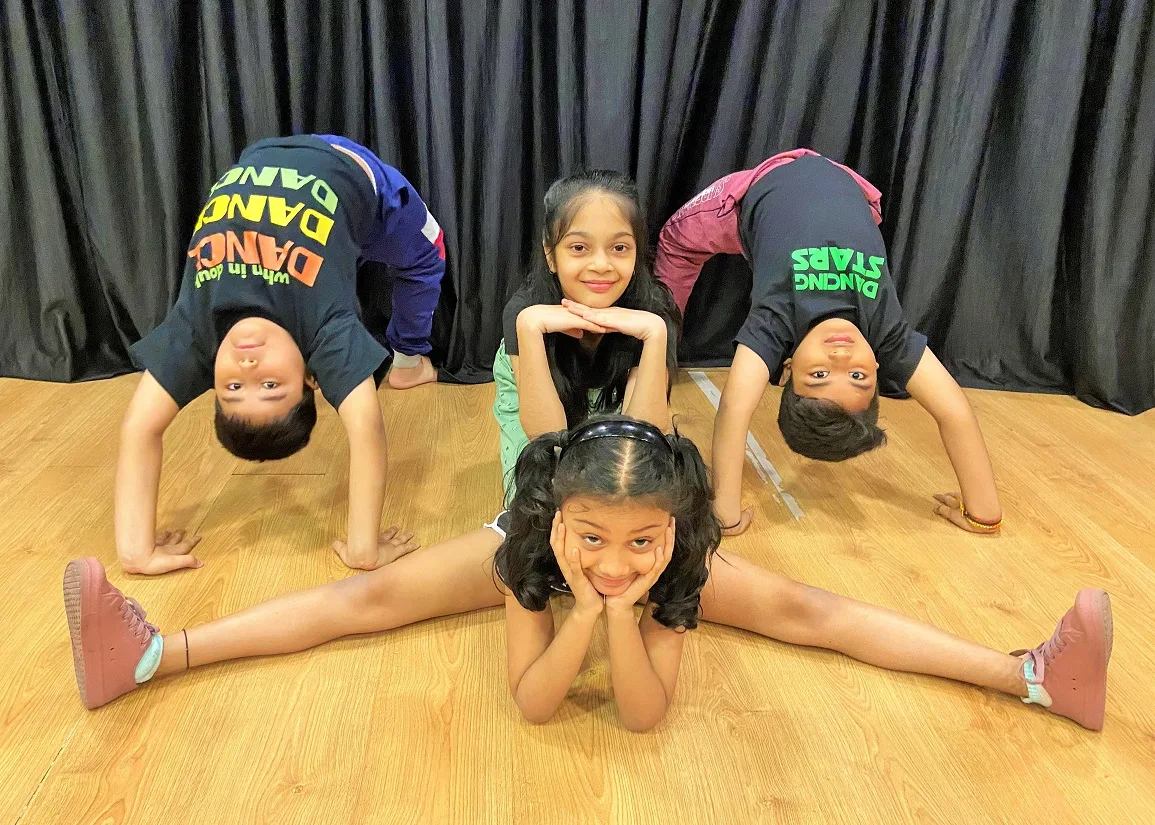
The Basics
| Question | Recommendation |
|---|---|
| Length | 2–3 minutes |
| Group size | 8–20 children per piece |
| Formations | 2–3 changes, no more |
| Rehearsal | About 6 weeks, short sessions |
| Costume | Comfortable, easy to move in |
A Six-Week Rehearsal Plan
- Week 1: Choose the song and learn the chorus.
- Week 2: Learn the verses in small blocks.
- Weeks 3–4: Formations, entries and exits.
- Week 5: Costume, props, and spacing on a taped floor.
- Week 6: Two full-stage run-throughs with music.
What to Avoid
- Songs with lyrics unsuitable for young children
- Routines longer than three minutes
- Complex props that slow the changeover
Need a Choreographer?
We choreograph school routines across Kolkata. Tell us the date, class strength and theme: call 9831018015.
Choosing Songs That Suit the Age
Primary children respond to clear rhythm, repeated hooks and simple lyrics.
- Class 1–2: short, bouncy songs with obvious actions. Keep the routine to about two minutes.
- Class 3–5: more energy and light formations. Three minutes is the upper limit.
- Always read the full lyrics, not just the chorus, before finalising.
- Where possible, mix a Bollywood hit with a folk or Bengali piece to give the programme variety.
For ideas by class, see our list of 30 annual day songs.
Planning Formations
Simple formations look best on a school stage:
- Lines: two or three rows, with taller children at the back.
- Circle: easy for the children to understand and good for a finale.
- Two groups mirroring each other: adds visual interest without extra steps.
Limit changes to two or three. Mark the floor with tape in rehearsal so children learn their spots.
Managing a Large Class
Teachers often have 30–40 children and limited time.
- Split the class into two or three groups with their own simple counts.
- Appoint a few confident children as “section leaders”.
- Rehearse in 20–30 minute blocks; children’s attention fades after that.
- Keep one rehearsal for entries and exits alone. These are where most mistakes happen.
Costumes and Props
- Keep costumes comfortable and easy to change out of.
- Avoid long dupattas, loose accessories or anything a child can trip on.
- Test every prop before the final week. Simple hand props such as scarves or small flags work better than anything large.
Parent and Teacher Communication
Send parents the date, the costume list and the rehearsal schedule at least three weeks ahead. Ask for any health or comfort concerns early, and plan a backup child for each key position in case of absence on the day.
The Final Week Checklist
- Two full run-throughs on the actual stage or a same-size space
- Costume check on the day before
- Music file saved on two devices
- A short, positive talk to the children on the day: enjoy it, smile, keep going if you make a mistake
Working With a Choreographer
If your school does not have a dance teacher, an outside choreographer can save weeks. Tell us the event date, the number of classes, the class sizes and the theme. We will plan the routines and schedule. Call 9831018015.