A practical look at how dance teaching went from informal tutoring to a full career in Kolkata — and the role organised studios like Twist N Turns have played in the shift.
Twist N Turns was founded in Kolkata in 2005. Over the years that followed, the conversation around dance in the city shifted — from “what hobby class is my child enrolled in?” to “is my instructor certified, and does teaching dance pay as a career?”. This blog is about that shift: what changed, how organised studios rebuilt the teaching job market, and what the entry points look like today for someone who wants to teach dance in Kolkata.
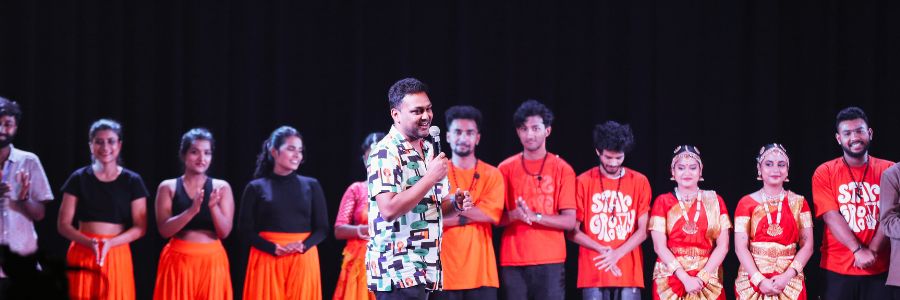
Then vs Now — The Kolkata Dance Teaching Market
| Early 2000s Kolkata | Kolkata Today | |
|---|---|---|
| Dance teaching model | Informal home tutors, small neighbourhood classes | Organised studios with structured batches + curriculum |
| Forms taught | Mostly classical + basic Bollywood | 16+ forms: ballet, hip-hop, jazz, contemporary, salsa, Bollywood, Zumba, Kathak, Bharatanatyam, Odissi, belly dance, HIIT, yoga, pilates, creative movement, couple dance |
| Teacher qualifications | Self-taught or apprenticed | Recognised certifications (DICP and equivalent) expected |
| Job stability | Ad-hoc, seasonal | Salaried / retainer + performance-linked + benefits |
| Career path | Flat — tutor your whole career | Trainee → Lead Instructor → Head Faculty → Studio Manager |
| Reach | Local neighbourhood | City-wide + online + cross-studio rotation |
The transformation wasn’t any one school’s doing — it was the city’s changing relationship with dance. But organised studios raised the floor: a structured hiring process, a training ladder, and a real career path turned “teaching dance” from a side hustle into an occupation.
What Twist N Turns Did That Moved the Needle
1. A broader curriculum forced a bigger talent pool
In 2005, most Kolkata dance schools taught one or two forms. Twist N Turns built its early identity around teaching every major dance form under one roof — ballet alongside hip-hop, Kathak alongside salsa, Bollywood alongside contemporary. That decision had a direct effect on hiring: the studio needed specialists, not generalists. Every form added to the curriculum was a new full-time teaching role created.
Today the studio runs 16+ forms across its 8 Kolkata studios, with 100+ faculty on the roster.
2. A certification pipeline, not just an open job board
Hiring certified instructors only works if the city has a pipeline of them. To close that gap, Tapash Das — founder of Twist N Turns — partnered with India International Dance Institute to run the Dance Instructorship Certification Programme (DICP). The programme takes performing-level dancers through the actual skill of teaching — lesson structure, safety, age-group progression, classroom management — and graduates them with a recognised certificate that other studios in the city now also hire against.
In effect: the studio doesn’t only employ teachers, it produces them. Every DICP cohort feeds back into the wider Kolkata dance teaching market.
3. Real facilities and real contracts
The shift from tutoring to teaching-as-a-profession also required professional facilities — sprung floors, mirrored walls, proper sound systems, clean changing rooms. Once students experienced that standard, the market expected it of every serious studio. That raised the bar on infrastructure across the city, and raised the bar on how instructors are employed: retainer-plus-performance contracts replaced per-session informal rates.
4. A three-track career structure
Instead of a single “dance teacher” role, Twist N Turns hires across three defined tracks:
- Trainee Instructors — dancers on the path to lead-teacher status, often via DICP. Paid, mentored, rotating across studios.
- Active Instructors — lead teachers running their own weekly batches, with a home studio and a home form.
- Guest Faculty — visiting choreographers who run intensives and workshops (Melvin Louis, urban dance guests, Latin specialists).
This structure gives a clear progression: a dancer with classroom potential can enter as a trainee, earn the DICP, move to lead instructor, and eventually specialise further as a form head.
5. Online + studio hybrid delivery
Post-2020 the studio added online and hybrid teaching as standard — not as a COVID patch, but as a permanent channel. For instructors this means a second revenue stream, the ability to teach students outside their physical studio’s catchment, and flexibility around travel and personal schedules.
What the Job Actually Looks Like Today
A lead instructor at an organised Kolkata studio in 2026:
- Teaches 3–6 batches per week at their home studio + 1–2 at a second studio (depending on form demand).
- Works within a published academic term calendar (trimester structure with breaks).
- Is paid a monthly retainer + per-batch components (varies by tenure and form).
- Has access to in-house training refreshers, guest-choreographer workshops, and cross-form upskilling.
- Performs at the annual Get On The Dance Floor and periodic studio showcases — paid performance time.
- Has a public profile on the studio’s Team page — their own named page, photo, bio, and student reviews.
That’s a real job. It has a contract, a schedule, a boss, a payslip and a career ladder. None of that was standard for a Kolkata dance teacher 20 years ago.
The Ripple Effect — Why This Matters Beyond One Studio
The biggest effect isn’t what happens inside any single studio. It’s what happens around them.
- Other studios raise their own hiring standards when they lose candidates to better-structured employers.
- New teachers enter the market via DICP who would otherwise have chosen other careers.
- Dance as a parental career choice for a child becomes defensible — you can point at named instructors earning real livings.
- Allied industries grow — event management, choreography for weddings and corporates, dance therapy, performance photography, costume — all of which employ dance professionals between teaching hours.
Kolkata’s dance ecosystem in 2026 looks materially different from Kolkata’s dance ecosystem in 2005. Organised studios didn’t do it alone — but they meaningfully changed what “teaching dance” means as a job.
How to Actually Become a Dance Teacher in Kolkata
A concrete pathway:
- Reach performing level in at least one form. Enrol in a regular Twist N Turns batch if you’re not there yet — see the full timetable or book a free trial.
- Apply for the DICP programme if you’re uncertified. DICP gives you the actual classroom skill and the certificate the industry expects. See current DICP details.
- Send your credentials to
info@twistnturns.in— resume, dance background, a short teaching or performing video. Call 98310 18015 if you’d rather talk first. - Start as a trainee at a studio near you, co-teaching alongside a lead instructor. Earn while you learn.
- Grow into a lead role — your own batch, your own students, your named profile on the Team page.
Related pages worth reading before you apply:
- Join as an Instructor — what the application and onboarding process looks like.
- Dance & Management Jobs — current openings across teaching and operations.
- Meet the Team — the 100+ faculty currently teaching across 8 studios.
- TNT Teach portal — the studio’s own education-track platform.
Get In Touch
- Email: info@twistnturns.in
- Call / WhatsApp: 98310 18015
- All studios (Kolkata): /studios.html
Twist N Turns — teaching dance in Kolkata since 2005.